Introduction
In the pressure of life, the cooking area typically becomes the heart of our homes. It's where we develop scrumptious meals, share family members moments, and sometimes, it's where crashes happen. Kitchen area safety and security is a critical facet of keeping a healthy environment for ourselves and those we appreciate. Understanding just how to handle usual injuries, especially blade cuts, can make a substantial distinction in our wellness. This post dives deep into kitchen area safety and security while focusing on efficient first aid for typical knife cuts and injuries.
Kitchen Safety: Effective First Aid for Usual Knife Cuts and Injuries
Knife-related injuries are amongst one of the most typical accidents in kitchen areas. Whether slicing veggies or sculpting meat, one slip can result in cuts that require immediate focus. Understanding exactly how to treat these injuries properly not only decreases pain yet also avoids more complications.
Understanding Cooking area Blade Cuts
What Prevail Sorts of Blade Cuts?
When we discuss knife cuts in the kitchen, a number of types enter your mind:
Superficial Cuts: These are minor surface cuts that typically do not bleed much. Deep Cuts: These penetrate much deeper skin layers and may require stitches. Lacerations: Jagged cuts that can be fairly severe. Puncture Wounds: Caused by sharp factors that pass through deeper without wide tearing.Understanding these kinds aids in examining the severity of an injury and deciding on ideal first aid measures.
The Function of Emergency treatment in Cooking Area Safety
Why Is First Aid Important?
First help functions as the frontline feedback in emergencies. It plays a crucial duty in community wellness by ensuring prompt treatment is supplied before professional clinical assistance gets here. Understanding fundamental first aid methods can empower individuals to act rapidly and successfully throughout cooking area mishaps.
Founding of St John Rescue and Its Influence On Emergency Treatment Awareness
St John Ambulance has been critical in promoting emergency treatment knowledge across neighborhoods worldwide. Founded with a mission to educate individuals in lifesaving strategies, their programs have actually dramatically raised public recognition concerning emergency treatment practices, specifically throughout emergency situations like kitchen area accidents.
Essential Home Items for First Aid in the Kitchen
To guarantee prompt activity during an injury, having crucial First Aid Pro Gold Coast family items conveniently offered is important:
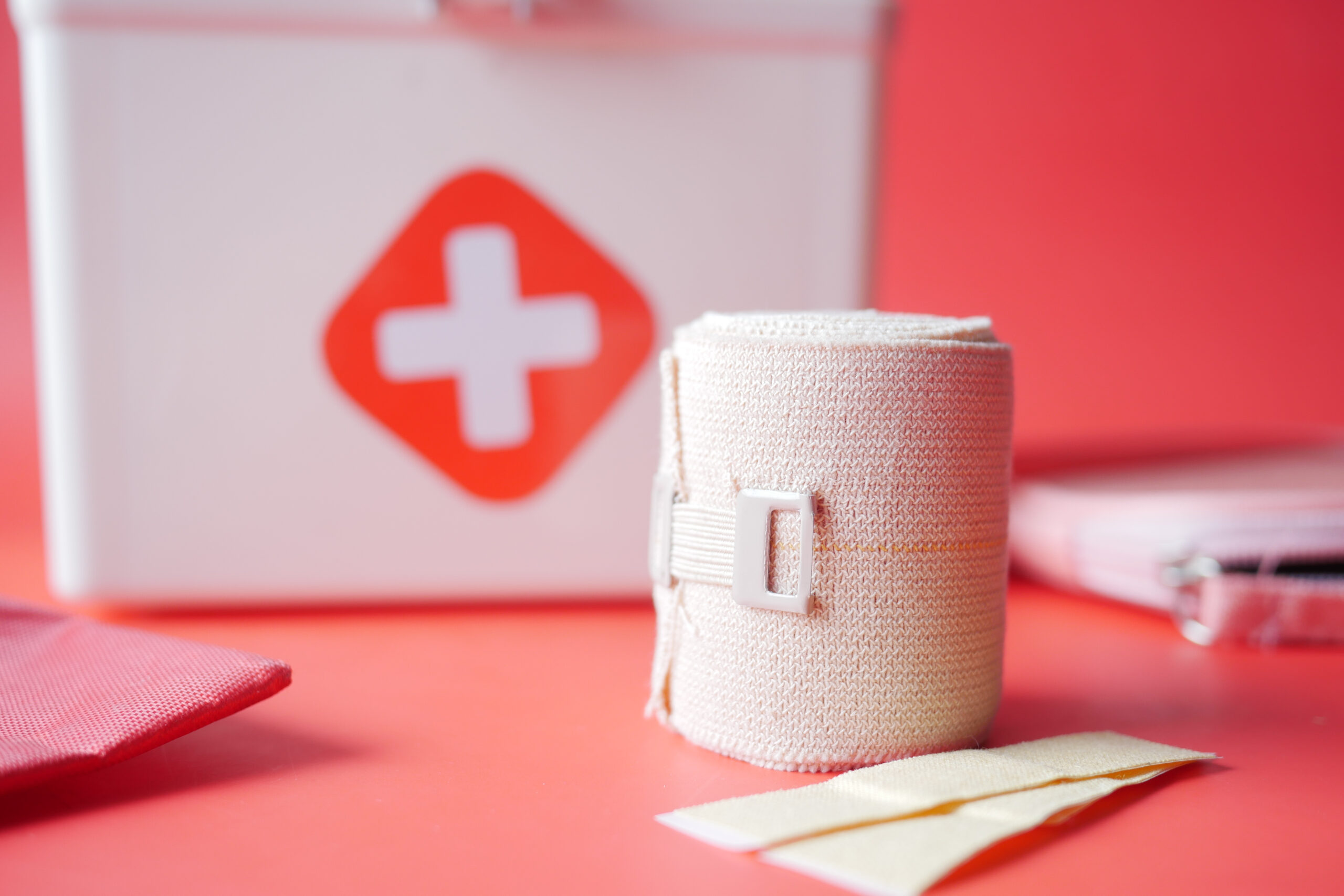
- Band-aids Sterile gauze pads Antiseptic wipes Adhesive tape Scissors Instant cold packs
By keeping these products arranged in a portable set, you can act promptly when required.
First Tips After Sustaining a Knife Cut
What Needs to You Do Instantly After a Cut?
Stay Calm: Panic can exacerbate the situation. Clean Your Hands: Laundry your hands completely with soap before touching the wound. Apply Direct Pressure: Utilize a tidy cloth or plaster to use pressure to quit bleeding. Elevate the Cut Area: Preferably, elevate the injured part above heart level.These steps are essential emergency treatment actions that can minimize injury severity.
Deep Cuts vs Superficial Cuts
How Can You Distinguish In Between Them?
- Superficial cuts will commonly bleed gently; they may hurt yet will not be excessively painful. Deep cuts will certainly usually bleed more profusely and might reveal underlying cells or fat.
Recognizing these distinctions is important for figuring out whether you need professional clinical help or if you can handle it at home.
Treating Minor Injuries on Yourself
What Methods Can Be Used?
For minor injuries such as superficial cuts:
Clean the injury with water and mild soap. Apply antiseptic ointment. Cover it with a sterilized plaster to maintain dust out. Monitor for signs of infection (soreness, swelling).Understanding When to Seek Clinical Help
How Do You Know It's Serious?
If you experience any one of the adhering to signs after a knife cut:
- Persistent blood loss after 10 minutes of applying pressure Signs of infection (boosted inflammation or pus) A cut deeper than half an inch
These indications suggest it's time to look for specialist medical help promptly.
Importance of Fire Extinguisher Procedure in the Kitchen
Why Must You Be Prepared?
Fires can erupt suddenly while cooking-- understanding exactly how to operate a fire extinguisher is crucial for kitchen area safety:
Pull the pin. Aim at the base of the fire. Squeeze the handle gradually. Sweep side-to-side until extinguished.Being prepared can save lives!
Fall Avoidance Tips in The Kitchen
How Can Autumns Be Prevented While Cooking?
Keep floorings completely dry and clutter-free. Use non-slip floor coverings near sinks or areas prone to spills. Store regularly used things accessible to stay clear of stressing or overreaching.By applying these approaches, you reduce risks connected with falls in hectic kitchen area environments.
Recognising Pet dog Distress Throughout Food Preparation Activities
What Should You Look For?
Pets often wander openly around cooking areas while cooking-- this enhances their threat for unexpected CPR Course Gold Coast harm:
Observe body movement-- are they panting heavily? Check if they're attempting to escape from loud noises (e.g., pots clanging).Understanding animal call for help aids maintain both pets and individuals safe during meal preparation times.
Gaining Approval in Different Areas Relating To First Aid Training
Why Is This Important?
Cultural level of sensitivities play an essential role when discussing health topics like first aid training within communities:
Understand neighborhood personalizeds prior to introducing first aid programs. Involve area leaders when planning awareness campaigns.This approach promotes trust and motivates broader involvement in vital training sessions.
Frequently Asked Questions (FAQs)
1) What need to I do if my knife cut begins hemorrhaging heavily?
If your blade reduced bleeds greatly:
- Apply straight stress making use of a tidy cloth till it quits bleeding (around 10 minutes). Elevate the area over heart level if possible. If bleeding continues yet point, look for medical aid immediately.
2) When need to I see a doctor for my cut?
You needs to see a physician if:

- The cut is deep or vast, Bleeding does not stop after 10 minutes, There are indicators of infection like redness or swelling showing up later on on.
3) Can I make use of normal home products as replacement for first-aid supplies?
While some house items may supply temporary alleviation (like clean cloths), it's ideal technique to utilize sterile gauze and antiseptics particularly made for injuries to avoid infections effectively.
4) What is a perfect portable set for kitchen safety?
A suitable mobile kit consists of:
- Band-aids, Sterile gauze pads, Antiseptic wipes, Adhesive tape, Scissors, and instantaneous cold packs-- whatever required for quick response during small injuries!
5) Exactly how do I understand if my youngster needs stitches from a blade cut?
Parents need to consult their doctor if:
- The cut is deep enough that you can not see its base, Blood continues moving in spite of used stress, or there shows up muscle/tissue revealed with the wound.
6) Exactly how typically should I upgrade my first-aid supplies?
Regularly inspect your products every six months; change run out products immediately! Maintaining them stocked makes sure readiness throughout emergency situations at any type of moment!
Conclusion
Kitchen safety and security is critical not just for avoiding mishaps yet likewise for making sure appropriate management when they take place-- specifically worrying knife-related injuries! By outfitting yourself with knowledge about usual cuts along with efficient first-aid methods tailored in the direction of them enhances neighborhood health and wellness efforts overall! Bear in mind: being prepared keeps every person more secure while engaging happily within our precious kitchens!
Incorporating understandings from companies like St John Ambulance highlights this commitment towards boosting understanding through practical education and learning-- ultimately leading us towards much healthier living settings focused on safety measures proactively deployed each day!
With understanding comes power-- the capability not only shield ourselves but also those around us making cooking areas true places loaded with love rather than accidents!